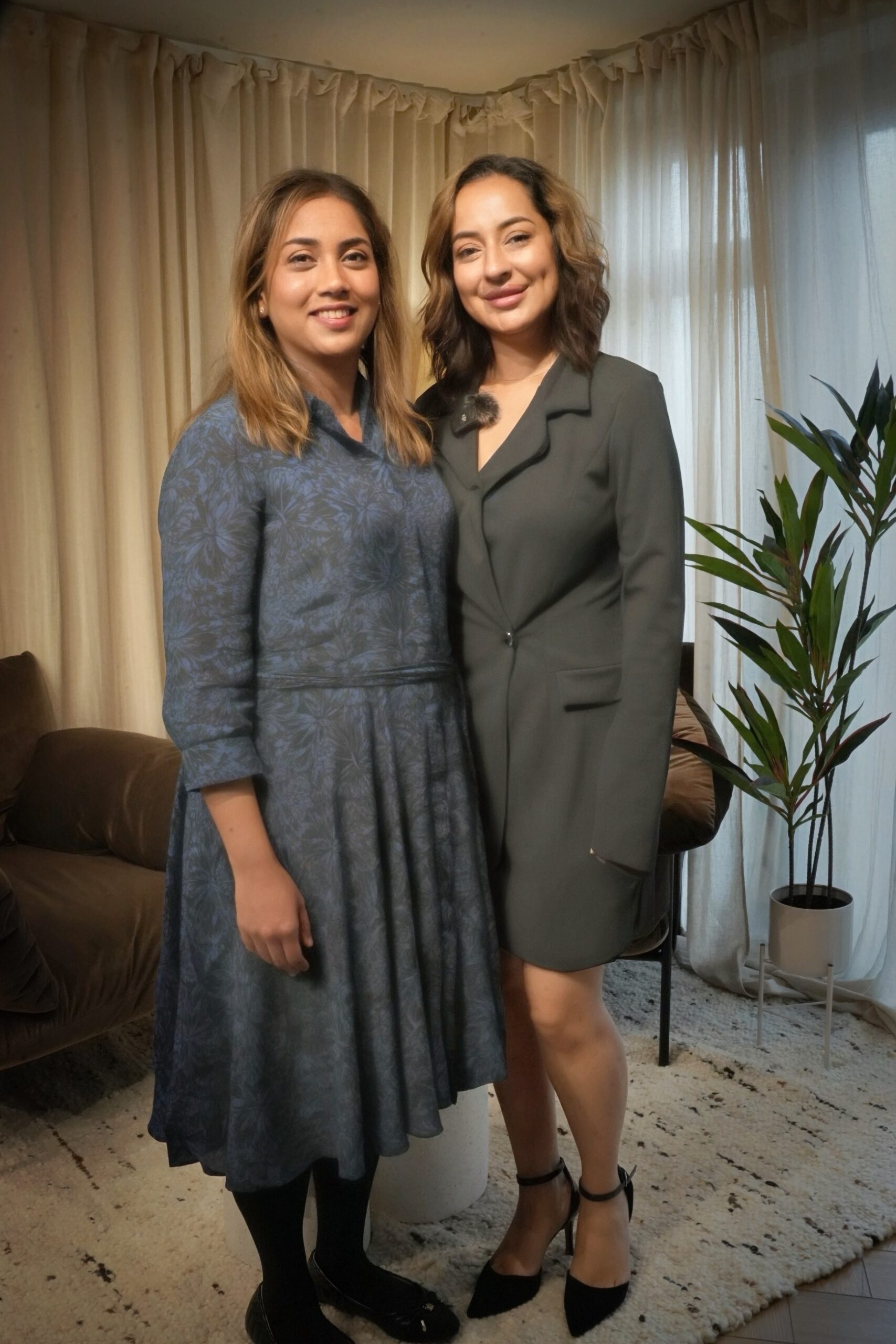
Peri Menopause, Myths, and the Bits We Don’t Talk About: Ageing Disgracefully with Dr Esha Saha
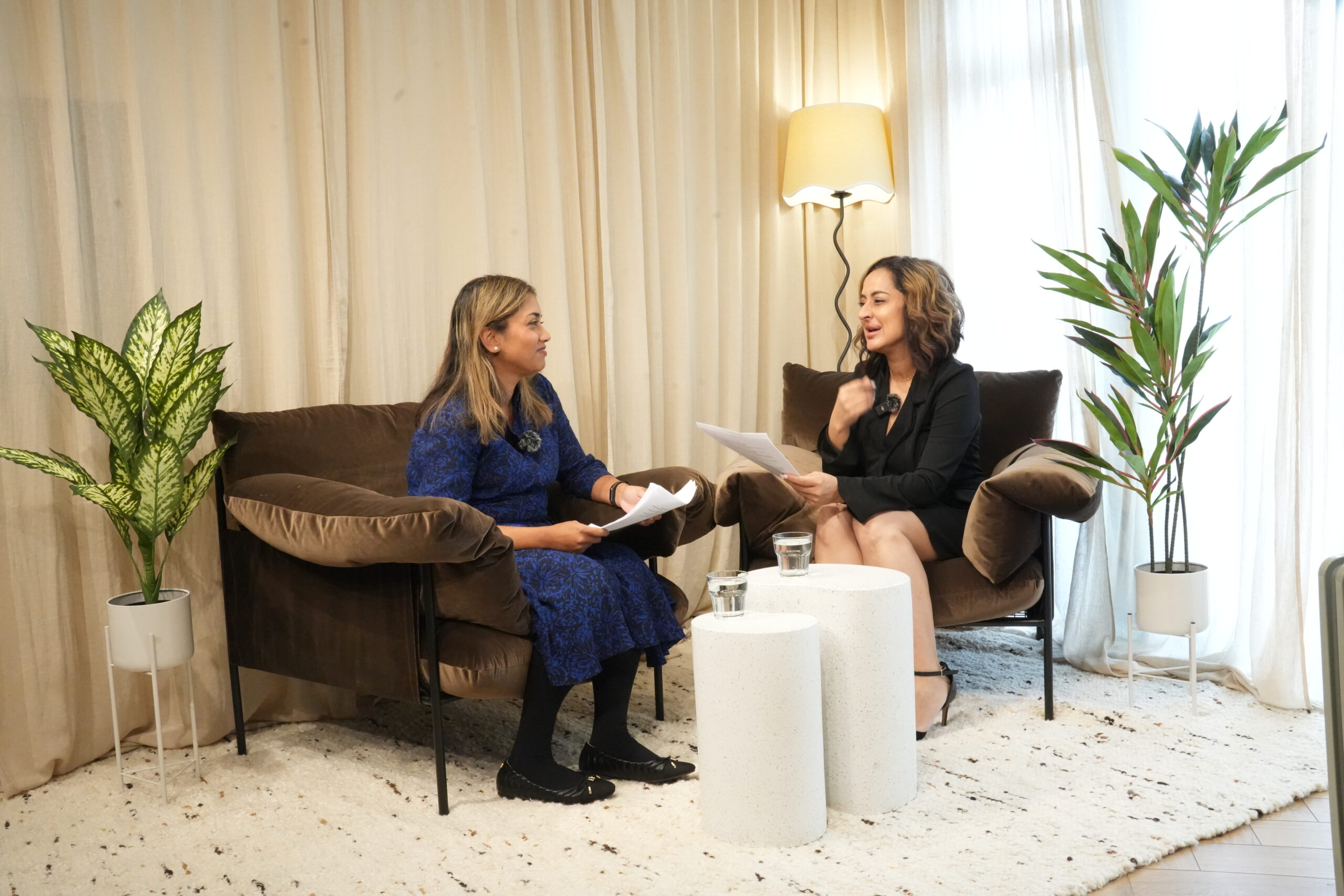
Peri-Menopause: I met Dr Esha Saha the way all great medical stories begin, over an eyebrow appointment and a doorstep chat. Ten minutes later, we were deep in hot flushes, migraines and why my GP thought 46 was “too young” for perimenopause. (Reader: it isn’t.)
Dr Saha is a Consultant Gynaecologist, a British Menopause Society–accredited specialist, and the calm voice you want when your body feels like a radio that’s suddenly picked up six extra stations. She leads the menopause service at St George’s Hospital, teaches other doctors how to do this properly, and has just joined The Luna Clinic (Harley Street and virtual) so that women can actually be seen, heard, and helped.
Below is everything we covered: science, solutions, and the awkward but essential “down-there” chat we’re not supposed to have at 11 a.m. without prosecco.
Peri-menopause Can Start Earlier Than You Think
“Is 46 young?” I asked.
“Not at all,” said Dr Saha. In fact, newer research shows perimenopause can begin in your 30s. Culture, genetics and diet all play a role:
- Average age of menopause in the UK: 51–52.
- Many South Asian women: 46–47.
- Some Black women: a longer transition.
- Many East Asian women experience milder symptoms, possibly due to diets rich in plant oestrogens (think soya).
The point? It’s not one symptom; it’s a constellation: sleep changes, heat dysregulation (hello, human radiator), mood shifts, anxiety, migraines, irregular cycles. You’re not imagining it; the dots need to be joined.
Why So Many of Us Were Scared of HRT
If you grew up on headlines from the early 2000s, you were told HRT causes breast cancer and heart disease. Those headlines came from extensive studies that mainly looked at women in their mid-60s, many overweight, in the US, not the 40–55 group most of us are talking about today.
What we understand now:
- Oestrogen-only HRT (for women without a uterus) has been shown in long-term follow-up to reduce the risk of breast cancer.
- Progestogen is required if you still have a uterus to protect the womb lining.
- Start within 10 years of menopause, and Oestrogen is heart-protective; start later and it’s cardiovascularly neutral (not harmful).
- Benefits also include improved bone health, brain function, sleep quality, and symptom relief.
As Dr Saha says, it’s personalised medicine, taking into account your family history, your risks, and your lifestyle. But for many women, the benefits outweigh the risks.
Patches, Gels, Tablets… and Testosterone?
Life is busy. Choose what fits:
- Oestrogen patches or gel + oral micronised progesterone (if you have a uterus).
- Some women also benefit from low-dose testosterone for loss of libido. It’s not a magic wand, and it has potential side effects (such as chin fluff, scalp thinning, and breakouts), but for the right person, it can be beneficial. If you’re over 60, test your levels first; they can rise naturally again with age.
My experience? I put the patch on and slept the same day. The household noticed.
The Taboo Bit: Vaginal Dryness, UTIs and Why We Need to Say the Words
Let’s talk vaginal dryness and Oestrogen, because pretending “down there” doesn’t exist hasn’t helped anyone.
With declining Oestrogen, the vulva, vagina and urethra get thinner, drier and more delicate. Symptoms: itching, burning, pain with sex, “recurrent thrush” that isn’t thrush, UTIs that seem to come back every month, and even bleeding from fragile tissue. Women end up in cancer clinics terrified, only to discover it’s atrophy (thinning) that responds beautifully to local Oestrogen.
Practical notes from Dr Saha:
- Local vaginal Oestrogen is a very low dose and minimally absorbed; current guidance allows its use even after certain breast cancers when appropriate medical advice is followed.
- Creams can be easier when everything is Sahara-level dry; pessaries are fine once things are more comfortable.
- Use moisturisers and bland lubricants (the YES® range is a good option). Even coconut oil is helpful externally for some (patch-test if sensitive).
And no, you don’t need to leave your partner marinated in hormones: apply after intimacy or at another time of day. Planning is romantic when comfort is involved.
“If your vagina is dry, that engine is not running,” I said.
“Exactly,” said Dr Saha. “It’s like running on a sprained ankle.”
We laughed, but the point stands. Comfort comes first.
Culture, Cringe and Saying It Out Loud
Two South Asian heritage women talking about urethras on camera? That alone was a culture quake. Many of us grew up with euphemisms: “down there,” “women’s troubles,” “just tired.” The result is misdiagnosis, silence and avoidable misery.
Let’s retire the awkwardness. You moisturise your face; the vulva and vagina deserve the same respect. Language matters because if we can’t say it, we don’t seek help, and we pass that silence down the line.
Heart Health: Not Just a “Man Thing”
More women die of heart disease than breast cancer in the UK. Oestrogen helps when started at the right time; perimenopause can send cholesterol and glucose in the wrong direction; and women’s heart attack symptoms are often not textbook:
- Neck or jaw ache
- A strange pressure rather than a “crushing” pain
- Indigestion that won’t settle
- A feeling that something just isn’t right
Please advocate for yourself. Request cholesterol (lipids) and glucose tests. Don’t be talked out of your instincts.
Do You Need a Blood Test to “Prove” Perimenopause?
If you’re over 45, NICE guidance says you don’t need FSH (follicle-stimulating hormone) testing to diagnose perimenopause/menopause. Do test for thyroid, anaemia, Vitamin D, etc., where appropriate. However, diagnosis is primarily clinical, based on your age, history, and symptoms.
Lifestyle Still Matters (and Makes HRT Work Better)
Dr Saha’s checklist is refreshingly simple:
- Sleep (make it sacred)
- Protein + plants (steady energy and mood)
- Strength + steps (bones, brain, heart)
- Stress hygiene (your nervous system is not a bin)
Start there. If you’re still struggling, consider HRT, with proper assessment and follow-up.
Where to Get Real Help (Without Waiting Months)
If you’re stuck in the GP bottleneck or want a second opinion, Dr Saha is now seeing patients at Luna Clinic:
- Location: Harley Street, London
- Also: Virtual consultations across the UK (helpful for the school-run/clinic-run crowd)
- Extras: Blood tests via partner providers near your home; e-prescriptions when appropriate
I went private, got started, and within 24 hours felt like myself again. If you’re on the edge, know this: you’re not “too young,” you’re not “being dramatic,” and you don’t have to white-knuckle it.
Final Word (and a Few Bloopers)
Did we use the phrase “dry peanut”? Yes. Did we spiral from “eyebrows to clitoris” in one interview? Also yes. But if a bit of humour gets us to say the words and seek the care, I’ll take the blushes.
Ageing Disgracefully means owning the chapter, not surviving it in silence.
Quick Resources
- Common Signs of Perimenopause: sleep issues, heat intolerance, anxiety/low mood, migraines, cycle changes, brain fog, vaginal dryness/UTIs.
- When to Consider HRT: symptoms affecting daily life; discuss your personal risk/benefit with a menopause-trained clinician.
- Vaginal Oestrogen: safe, low dose, highly effective for dryness/UTIs/atrophy.
- Testosterone: option for low libido in selected women; check levels and discuss side effects
Book with Dr Esha Saha (The Luna Clinic)
Face-to-face on Harley Street or UK-wide virtual appointments. Sensible pricing, sensible science, and zero judgment, just the help you’ve been asking for.
This blog is intended for informational purposes only and should not be considered medical advice. Please speak with a qualified clinician for individual guidance.
Watch the Full Podcast Here: https://youtu.be/qr_EbL41Cfo

Check out more of our latest blogs here: https://revivenx.co.uk/blog/